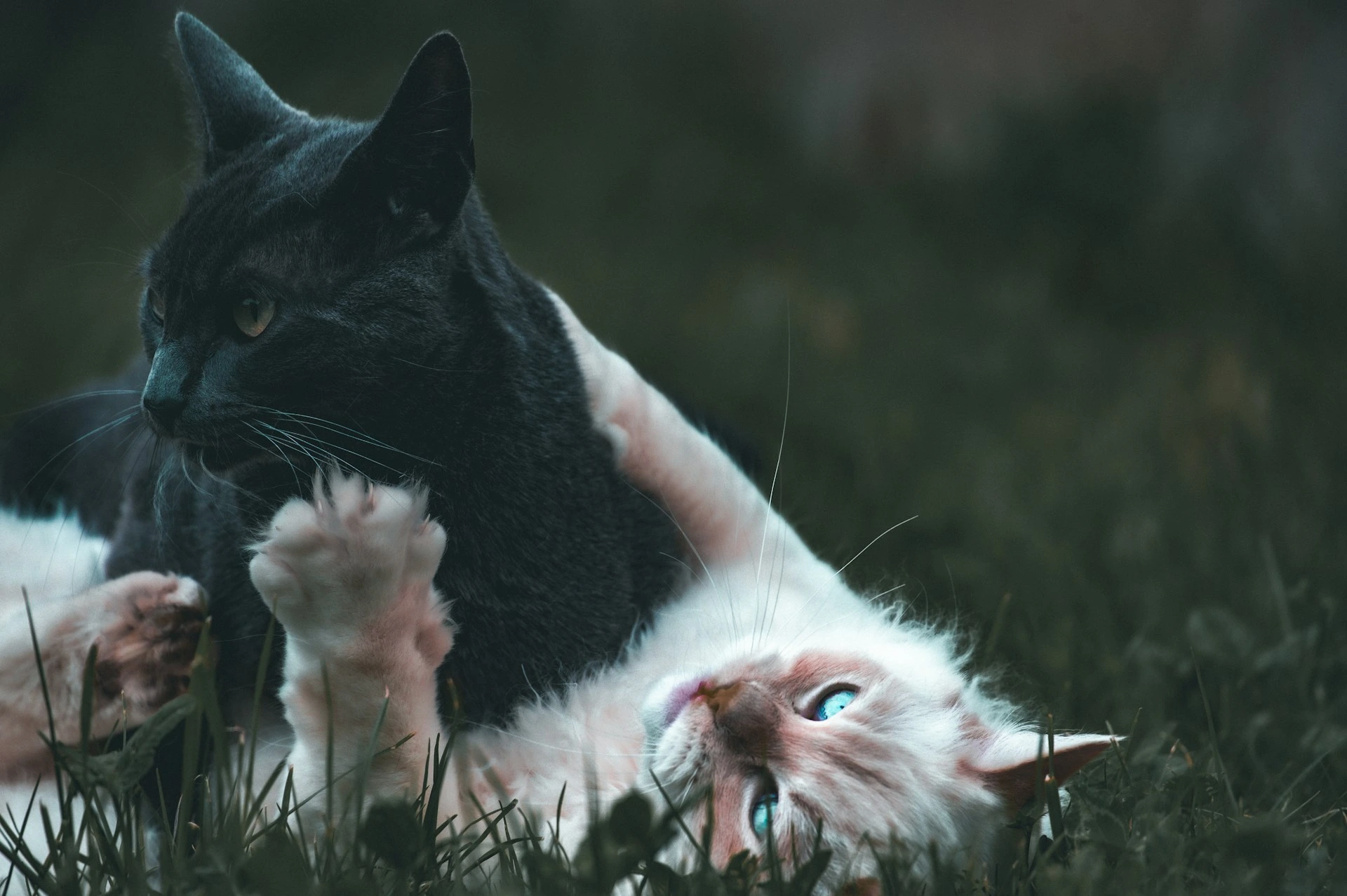
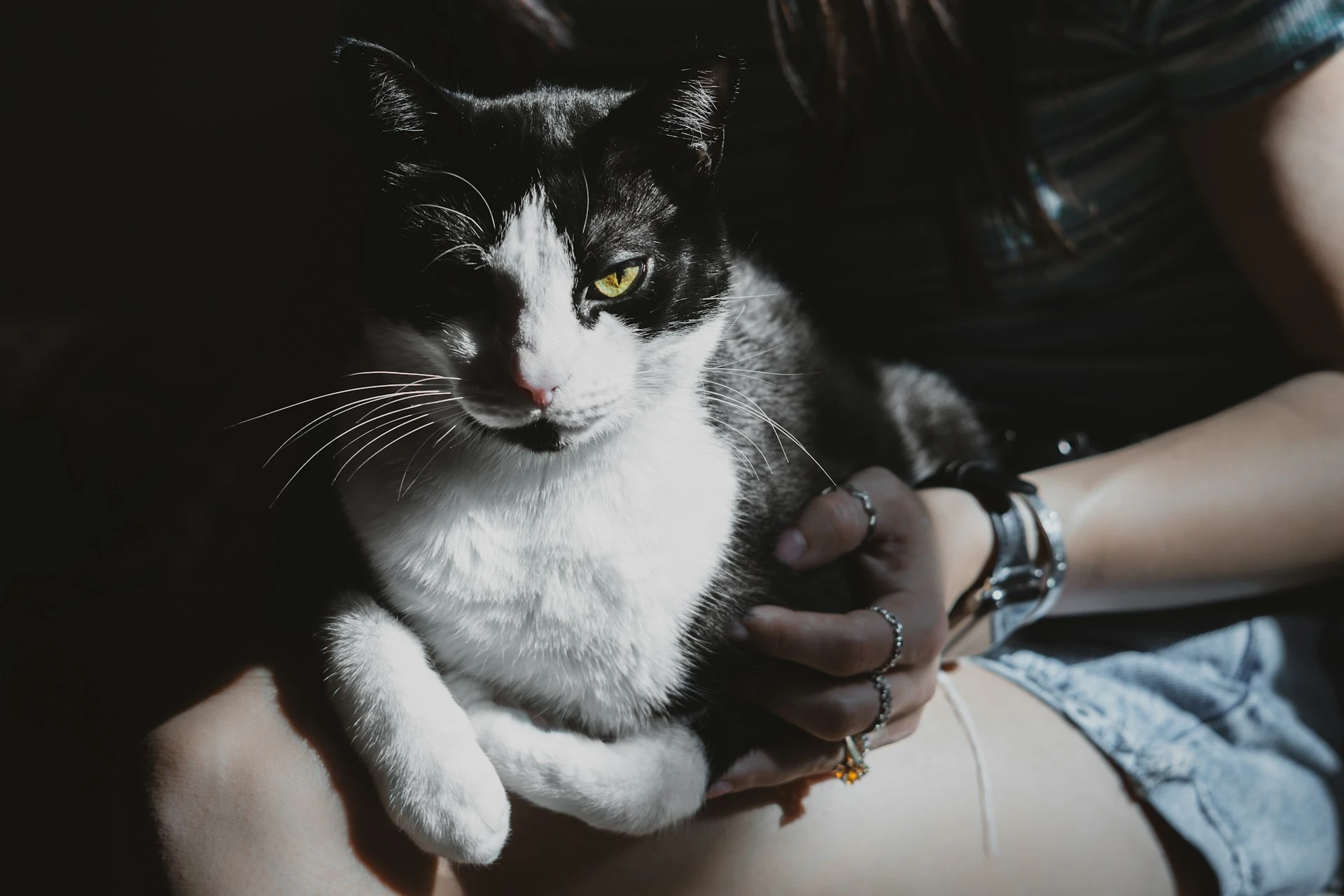
Cats are known for their independence, elegance, and quirky habits. We often hear questions from cat parents who want to better understand why their feline companions do what they do. From sudden midnight zoomies to kneading soft blankets, Fluffy’s behavior may appear puzzling, but most feline quirks have logical explanations rooted in biology and instinct.
Understanding your feline friend’s actions doesn’t just satisfy curiosity—it also strengthens your bond and helps you identify when a behavior might signal a health issue. At Alpha Veterinary Center, your Glen Burnie, MD veterinary clinic, we love helping kitties stay happy and healthy. We’re also happy to shed some light on some of Fluffy’s odd quirks.
Common Cat Behaviors and Their Meanings
Kneading
Cats push their paws rhythmically into soft surfaces, often while purring. This behavior, rooted in kittenhood, signals comfort and relaxation. It’s also a way for cats to mark territory using scent glands in their paws. Think of it as a cute (if slightly painful) sign that your kitty sees you as a second parent.
Zoomies
If your kitty races around the house at top speed, especially at night, you’re witnessing the famous (and adorable) “zoomies.” This burst of energy is a normal outlet for pent-up energy, especially for indoor cats.
Head Butting
A gentle head bump may seem odd, but it’s actually a sign of affection. Cats use this behavior to leave their scent on you, marking you as part of their social group.
Tail Signals
Cats communicate a lot through tail language:
- Tail held high = confidence and happiness
- Fluffed-up tail = fear or aggression
- Twitching tip = excitement or agitation
Purring
Most often associated with contentment, purring can also signal stress or discomfort. Context is key—if Fluffy purrs while hiding or avoiding food, it may be a sign to see a veterinarian.
Expand your knowledge by reading our prior blog on kitty behavior here.
Why Cats Scratch
Scratching is one of the most common concerns cat parents bring to our veterinary clinic. While it can damage furniture, it’s a completely normal behavior. Scratching helps cats:
- Sharpen their claws
- Stretch muscles
- Mark territory with scent glands
Providing scratching posts and redirecting your feline companion to them can protect your home while satisfying this natural urge. Chewy did an article on why cats scratch, which you can read here.
Behavioral Red Flags
While many behaviors are harmless, sudden changes in your feline overlord’s routine may indicate health problems. Red flags include:
- Avoiding the litter box
- Hiding more than usual
- Aggression without clear cause
- Overgrooming leading to bald patches
- Excessive vocalization at odd hours
These shifts may signal stress, illness, or pain and should be evaluated by our veterinarians. The ASPCA has an article on aggression in cats, which you can read here.
Enrichment for Healthy Behavior
Cats thrive when they have outlets for their instincts. At Alpha Veterinary Center, we recommend enrichment strategies such as:
- Interactive toys: Wand toys and puzzle feeders provide mental stimulation.
- Vertical spaces: Cat trees and shelves satisfy climbing instincts.
- Safe outdoor time: Harness walks or enclosed patios (catios) allow safe exploration.
- Routine: Cats prefer consistency in feeding and play schedules.
These practices reduce stress, curb unwanted behaviors, and support overall health.
Medical Factors Behind Behavior
Sometimes, behavioral changes have medical causes. For example:
- Avoiding the litter box may indicate urinary tract issues, which can be life-threatening.
- Aggression can stem from arthritis pain.
- Overgrooming could be a response to allergies or parasites.
At Alpha Veterinary Center in Glen Burnie, MD, our veterinarians rule out medical issues before labeling a behavior as purely behavioral. This ensures your kitty gets the right treatment.
Fun Facts About Cat Behavior
- Cats sleep an average of 13–16 hours a day, but their most active times are dawn and dusk.
- A cat’s whiskers are so sensitive they can detect tiny changes in air currents.
- Cats have a special silent meow they use just for humans. This is often accompanied by big, expressive eyes.
FAQs
Why does my cat knock things off tables?
This playful, sometimes frustrating behavior stems from curiosity and hunting instincts. It’s also a way to get attention.Then again, it may also just be cattitude!
Can cats be trained like dogs?
Yes! With patience and rewards, cats can learn tricks, commands, and routines.
Why does my cat bring me dead animals?
It’s instinct. Cats are natural hunters, and offering prey is their way of sharing with family.
Is aggression in cats normal?
Occasional swatting or hissing is normal communication, but frequent aggression should be evaluated by a veterinarian.
Visit Our Glen Burnie Veterinary Clinic for Cat Behavior Support
Looking for a vet near me in Glen Burnie, MD who understands feline quirks? At Alpha Veterinary Center, our veterinarians help cat parents decode behavior, manage problem habits, and spot when changes may indicate health concerns. Call today to schedule an appointment and give your feline companion the care and understanding they deserve.
Click here to visit our Services page and learn more about our clinic and the animals we treat.
This blog is intended for informational purposes only. Always consult with your veterinarian for personalized medical advice, diagnosis, or treatment for your pet.