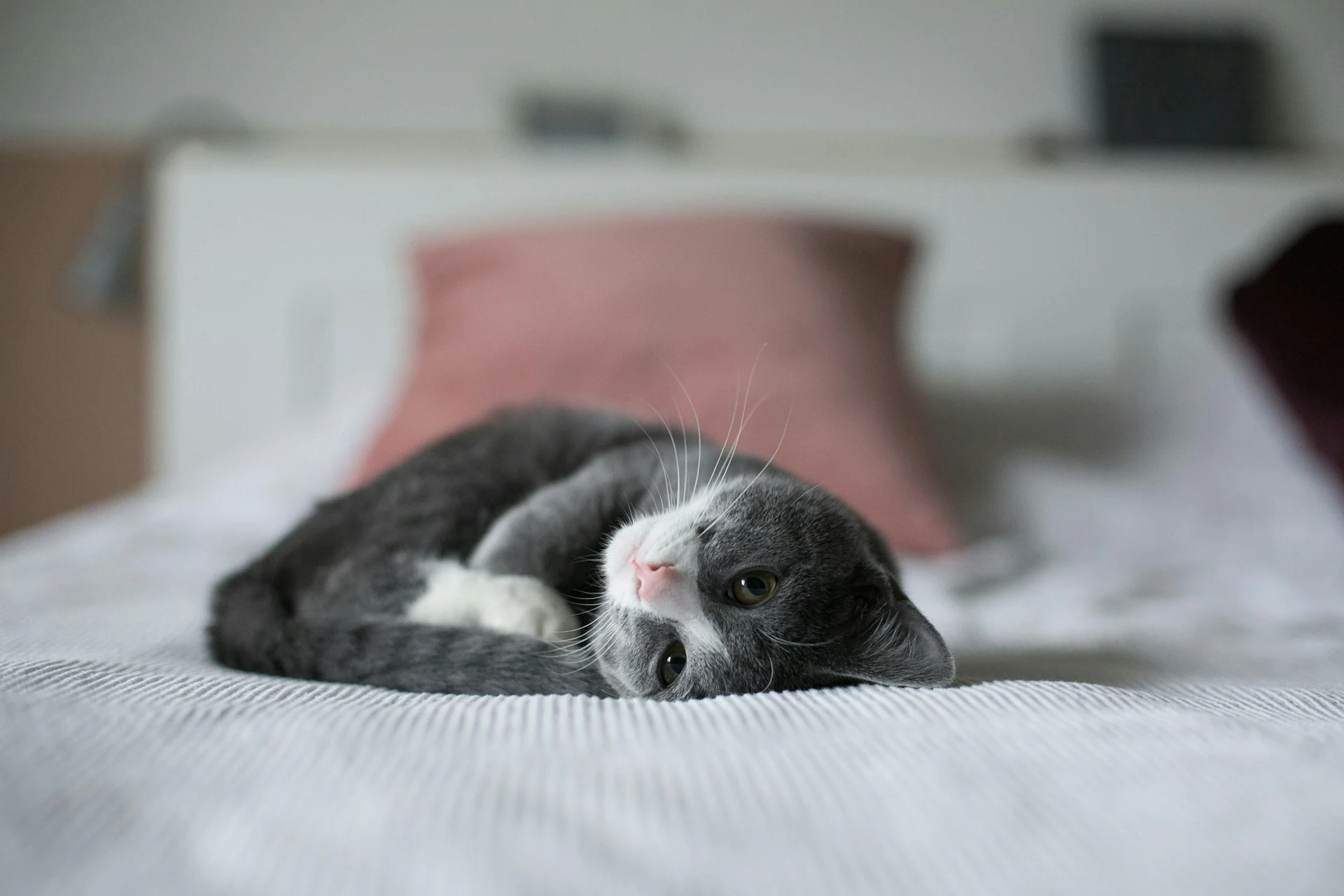
Even the most affectionate feline companion can surprise their family with hissing, swatting, or even biting. At Alpha Veterinary Center in Severn, MD, our veterinarians frequently answer questions about feline aggression. Many cat owners worry they’ve done something wrong when their kitty shows hostility, but aggression is usually a signal rather than a flaw.
Cats don’t typically act aggressive without cause. From medical conditions to environmental stress, there are many reasons why your feline pal might lash out. By identifying the root cause, veterinarians and owners can work together to restore peace in the household.
Types of Feline Aggression
Not all aggression looks the same. Our animal hospital sees cats displaying aggression for different reasons, including:
- Play aggression: Common in kittens and young cats, who may bite and scratch during play.
- Fear aggression: Triggered when a cat feels cornered or threatened.
- Territorial aggression: Cats may defend their space from other animals or people.
- Redirected aggression: When a cat lashes out at a nearby person or pet because they can’t reach the true source of frustration (like a bird outside).
- Pain-related aggression: Cats in discomfort may respond aggressively when touched.
Understanding the type of aggression is the first step toward addressing it. The ASPCA has an article on aggression in cats, which you can read here. You can also read the PetMD article on cattitude here.
Medical Causes of Aggression
Sometimes, aggression isn’t just behavioral—it’s medical. Cats experiencing pain from health issues, whether it’s arthritis, dental disease, or injury, may swat or bite when handled. Hormonal changes, thyroid disease, or neurological conditions can also affect temperament.
That’s why veterinarians recommend ruling out health problems first. At Alpha Veterinary Center, our team performs exams and may suggest bloodwork, X-rays, or dental evaluations to check for underlying medical issues.
Environmental Triggers
Cats are sensitive creatures, and changes in their environment can spark aggression. Common triggers include:
- Moving to a new home
- The addition of another pet or family member
- Loud noises or disruptions
- Lack of hiding spots or vertical spaces
- Conflict with other household cats
Our veterinarians often encourage owners to enrich their cat’s environment with climbing trees, safe retreats, and consistent routines to reduce stress.
How to Calm an Aggressive Cat
Dealing with feline aggression requires patience and a thoughtful approach. Some strategies include:
- Avoid punishment: Yelling or hitting only increases fear and aggression.
- Provide safe spaces: Cats feel calmer when they can retreat to a quiet area.
- Use play wisely: Redirect play aggression with toys instead of hands.
- Pheromone products: Synthetic pheromones can help reduce stress in multi-cat homes.
- Gradual introductions: When bringing in new pets, slow introductions help prevent territorial disputes.
Interested in this topic? Click here to read our blog on cat behavior.
In some cases, veterinarians may prescribe medications or recommend behavior specialists for persistent aggression.
Helping Multi-Cat Households
Aggression is especially common in multi-cat homes, where competition for territory or resources can cause tension. To reduce conflict:
- Provide multiple food and water stations
- Add extra litter boxes (one per cat, plus one more)
- Offer vertical spaces like shelves or cat trees
- Ensure equal attention and playtime for each feline friend
These adjustments help prevent fights and give each cat room to relax.
Fun Facts About Feline Aggression
- In the wild, cats use aggression primarily for defense, not offense.
- A cat’s body language often warns of aggression long before it escalates—flattened ears, twitching tails, and dilated pupils all signal trouble.
- Some cats become more aggressive during play because their hunting instincts kick in, even in the safety of a living room.
FAQs
Why is my normally sweet cat suddenly aggressive?
Sudden aggression often signals pain or illness. Schedule a veterinary exam to rule out medical causes.
Can cats outgrow aggressive behavior?
Kittens may outgrow play aggression with training, but other types require management and sometimes medical support.
How do I safely handle an aggressive cat?
Give them space and avoid forcing interaction. Use toys, not hands, to redirect energy.
Should I see a vet about my cat’s aggression?
Yes. A veterinarian can identify medical issues or provide guidance on behavioral strategies.
Visit Our Severn Veterinary Clinic for Cat Behavior Support
Are you looking for a trusted vet near me in Severn, MD who understands feline behavior? Alpha Veterinary Center is here to help. Our veterinarians work with cat owners to identify causes of aggression, offer safe management strategies, and restore harmony at home. Call us today to schedule an appointment and get your feline companion the support they need.
Visit our Service page here to learn more about our Glen Burnie, MD animal hospital and the animals we treat.
This blog is meant for informational purposes only. Always consult with your veterinarian for personalized medical advice, diagnosis, or treatment for your pet.