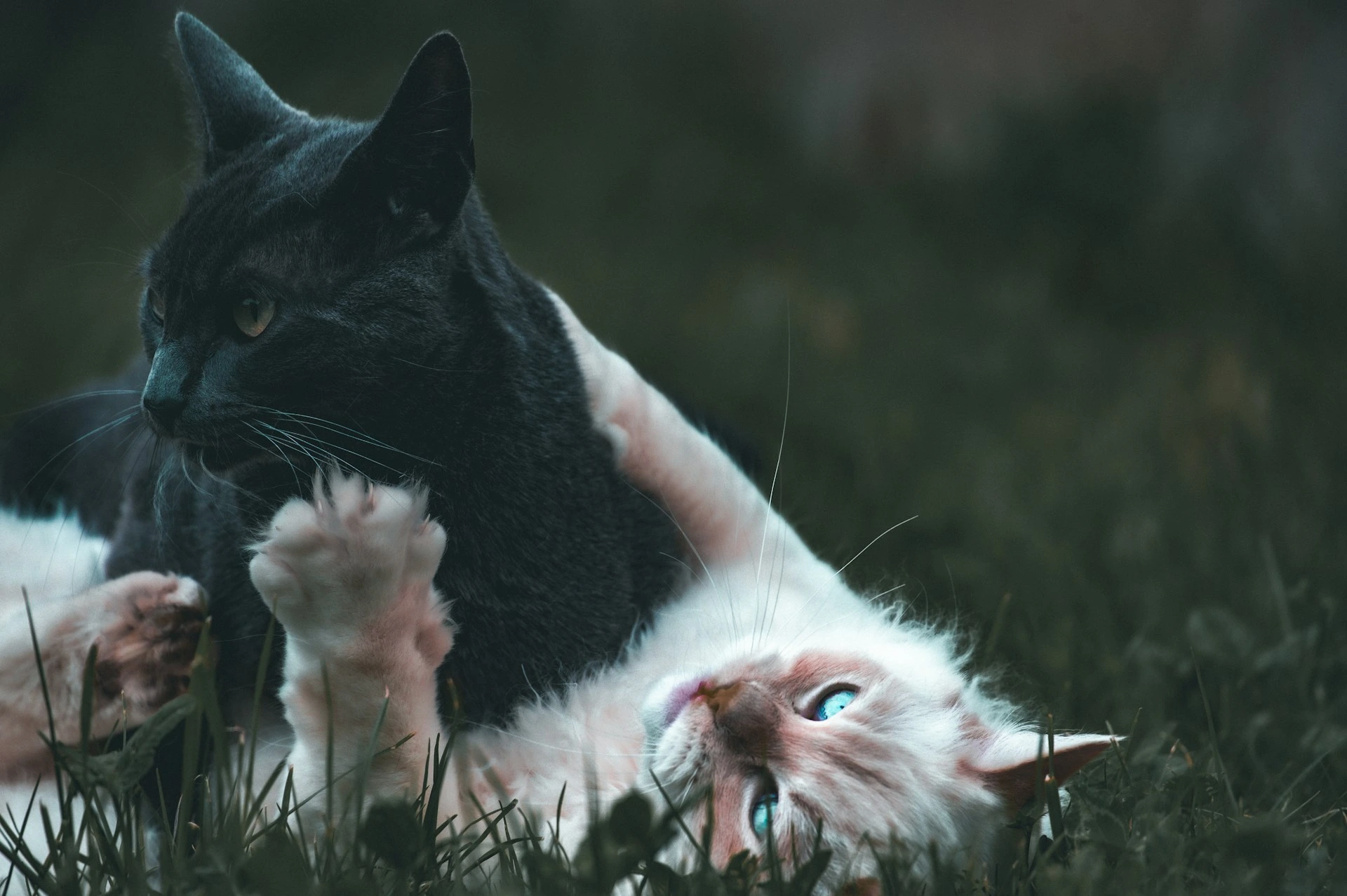
From zoomies around the yard to gentle tug-of-war sessions, dogs express themselves through play. At Alpha Veterinary Center in Glen Burnie, MD, our veterinarians remind pet parents that play isn’t just fun—it’s essential for canine health and well-being. Understanding your pup’s play style can reveal valuable insights about their personality, social skills, and even potential health concerns.
Dog play helps with physical exercise, builds social bonds, and provides mental stimulation. Observing how your canine buddy interacts with toys, people, and other dogs is one of the best ways to learn what makes them tick.
Common Dog Play Styles
Every pup has a unique approach to play, but veterinarians and behaviorists often group play styles into a few categories.
The Chaser
These dogs love to run—whether it’s after a ball, another dog, or even their own tail. Chasers thrive on fetch, frisbee, and games that let them burn energy. Breeds like border collies and retrievers often fit this mold.
The Wrestler
Wrestlers enjoy physical play with body contact. They like rolling, tackling, and friendly tussles with other dogs. This style is common in confident pups who enjoy social interaction.
The Tugger
Tuggers can’t resist rope toys or anything they can grab and pull. Tug-of-war is more than a game—it’s a bonding activity between dog and owner.
The Observer
Some dogs prefer to watch rather than jump into play. Observers may study the action and join when they feel comfortable. This style is often seen in shy or cautious dogs.
The Mixed Player
Many dogs combine styles depending on their mood, environment, or playmate.
What Play Styles Reveal About Dogs
Play style can tell you a lot about your canine friend’s temperament. For example:
- Chasers often have high energy and may need extra daily exercise.
- Wrestlers tend to be confident and social but need supervision to ensure play doesn’t escalate.
- Tuggers enjoy bonding games but benefit from clear boundaries to keep tugging safe.
- Observers may be more reserved or anxious, requiring gentle encouragement.
Understanding these tendencies helps pet parents provide the right enrichment and manage social interactions safely.
Blue Cross did an article on how to play with your dog. Click here to read it. Purina also has a fun piece on games you can play with Fido, which is here.
The Role of Play in Dog Training
Play is also a powerful training tool. Incorporating fetch or tug-of-war into training sessions keeps dogs motivated and engaged. Rewarding good behavior with playtime can be more effective than treats alone, especially for energetic breeds.
Play also strengthens the human-canine bond. When your pooch sees you as both provider and playmate, trust and affection deepen.
Playing and training are both especially crucial to puppies. Read our blog here to discover more about puppy training tips.
Health Benefits of Play
The benefits of regular play go far beyond entertainment. Dogs who play daily often experience:
- Better weight management
- Reduced stress and anxiety
- Improved cardiovascular health
- Enhanced socialization with other dogs
- Stronger bonds with their families
Veterinarians at Alpha Veterinary Center encourage pet parents to prioritize daily play as part of overall wellness care.
Play Safety Tips
While play is healthy, it’s important to keep it safe:
- Supervise roughhousing to prevent injuries.
- Choose toys that are appropriate for your dog’s size and chewing style.
- Provide breaks to avoid overexertion, especially in hot weather.
- Watch for signs of stress or aggression during group play.
Safety ensures that play remains fun and beneficial for everyone.
Fun Facts About Dog Play
- Puppies begin play fighting as early as three weeks old.
- “Play bows” are a universal canine signal that says, “Let’s play!”
- Dogs use play to practice hunting and problem-solving skills.
These playful instincts connect today’s pups with their wild ancestors.
FAQs
Is play important for older dogs?
Yes. Seniors may not run as fast, but they still enjoy having fun. Plus, gentle play keeps their minds and bodies active.
What if my dog doesn’t seem interested in play?
Some dogs prefer calm interaction. Try different toys or activities to discover what excites them.
Can play styles change over time?
Yes. A dog’s play preferences may evolve with age, environment, or new companions.
Should I let my dog play with all dogs at the park?
Not always. Choose playmates with compatible energy levels and monitor interactions closely.
Visit Our Glen Burnie Veterinary Clinic for Dog Behavior Support
Looking for a vet near me in Glen Burnie, MD who understands canine behavior? At Alpha Veterinary Center, our veterinarians provide guidance on everything from play styles to training and wellness care. Call today to schedule an appointment and learn how play can improve your pup’s health and happiness.
Visit our Service page here to learn more about our Glen Burnie, MD animal hospital and the animals we treat.
This blog is intended for informational purposes only. Always consult with your veterinarian for professional medical advice, diagnosis, or treatment tailored to your pet.