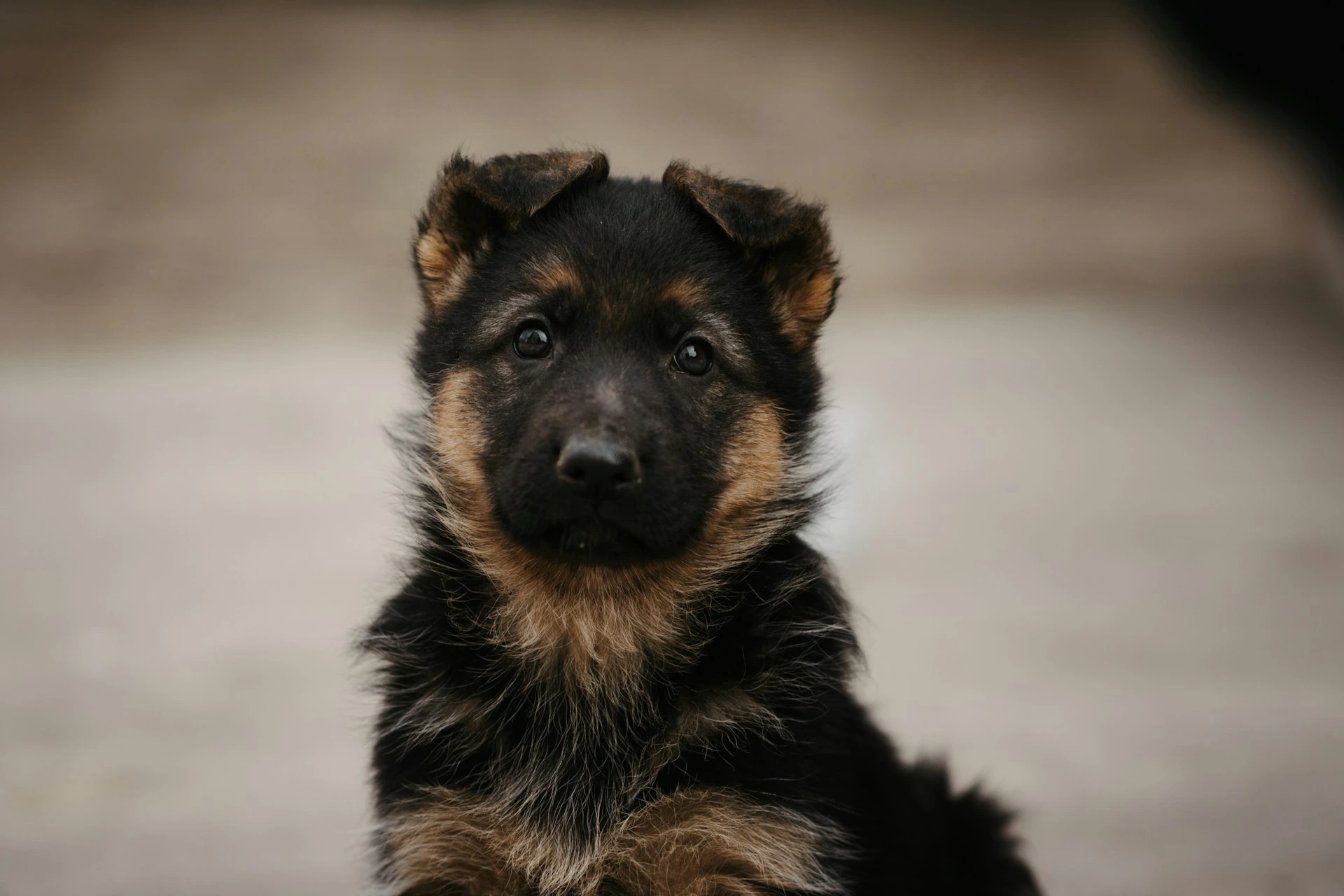
Puppies bring joy into a home like nothing else. A wiggly tail, floppy ears, and boundless energy, wrapped up in an adorable package: what’s not to love? But without guidance, those adorable antics can quickly turn into chewed shoes, potty accidents, or overly enthusiastic greetings. At Alpha Veterinary Center in Glen Burnie, MD, our veterinarians remind pet parents that early training is one of the most important investments in a pup’s lifelong happiness and behavior.
Starting training from day one not only teaches manners but also strengthens the bond between you and your canine buddy. With consistency and patience, you can set your puppy up for success while making your own life easier.
The Basics of Puppy Training
When it comes to puppies, simple lessons taught early go a long way. The most important fundamentals include:
House Training
Consistency is the key. Take your puppy outside frequently, especially after meals and naps. Reward success immediately with praise or treats. Avoid punishment—accidents happen, and patience will pay off.
Crate Training
Crates provide a safe, comfortable space for your pup and help with house training. Introduce the crate positively, using treats and toys. The crate should never be used as punishment but as a cozy den.
Basic Commands
Start with commands like “sit,” “stay,” “come,” and “leave it.” These not only improve manners but can also keep your puppy safe. Training sessions should be short and fun to hold your pup’s attention.external link
Socialization
Expose your puppy to different people, pets, and environments early. Positive experiences help prevent fear-based behavior later in life. Puppy socialization classes are a great option.
Positive Reinforcement Works Best
Puppies respond best to rewards rather than punishment. Treats, toys, and affection encourage good behavior and build confidence. Our veterinarians encourage pet parents to focus on praising desired actions rather than scolding mistakes.
Training should be fun! It’s also something you can incorporate into play. Tell Fido to Sit, then throw him a toy. You can click here to explore our blog on canine play styles.
Common Training Challenges
Even the most diligent puppy parents run into hurdles. Common challenges include:
- Chewing: Provide plenty of chew toys and redirect your pup away from furniture or shoes.
- Biting: Puppies explore with their mouths. Redirect with toys and stop play briefly if biting continues.
- Jumping up: Teach an alternative behavior like sitting to greet people.
- Distractions: Keep training sessions short, gradually increasing difficulty as your pup improves.
With patience and consistency, these issues usually resolve quickly.
Want to learn more? You can read the AKC article on dog training here.
Health and Training Go Hand in Hand
Sometimes, behavior problems are linked to health. A puppy that resists house training may have a urinary tract infection, while one that chews excessively might be teething. At Alpha Veterinary Center, our veterinarians help identify whether medical issues are contributing to training challenges.
Making Training Fun
Training doesn’t have to feel like a chore—it can be a game. Use interactive toys, play hide-and-seek with treats, or incorporate training into daily walks. This keeps your pup engaged and eager to learn.
Fun Facts About Puppies and Training
- Puppies have the mental capacity of a young toddler, which explains why short lessons work best.
- The prime socialization window is between 3 and 14 weeks of age.
- Many puppies learn faster in the morning when energy and focus levels are high.
We always associate training with dogs, but cats can learn, too! The British Psychological Society has an article on training cats here.
FAQs
When should I start training my puppy?
Immediately. Puppies begin learning as soon as they come home.
How long should training sessions be?
Keep sessions short—about 5–10 minutes—several times a day.
What if my puppy doesn’t listen?
Stay patient. Consistency and positive reinforcement are key.
Should I enroll my puppy in a class?
Yes. Puppy training classes provide socialization and professional guidance.
Visit Our Glen Burnie Veterinary Clinic for Puppy Training Support
Are you searching for a trusted vet near me in Glen Burnie, MD to guide your new puppy’s health and behavior? Alpha Veterinary Center is here to help. Our veterinarians provide training advice, wellness care, and behavior support to give your furry bestie the best start in life. Call us today to schedule an appointment and begin building healthy habits from day one.
Visit our Service page here to learn more about our Glen Burnie, MD animal hospital and the animals we treat.
This blog is intended for informational purposes only. Always consult with your veterinarian for professional medical advice, diagnosis, or treatment tailored to your pet.